
Clocks Go Forward: What It Really Does to Your Body

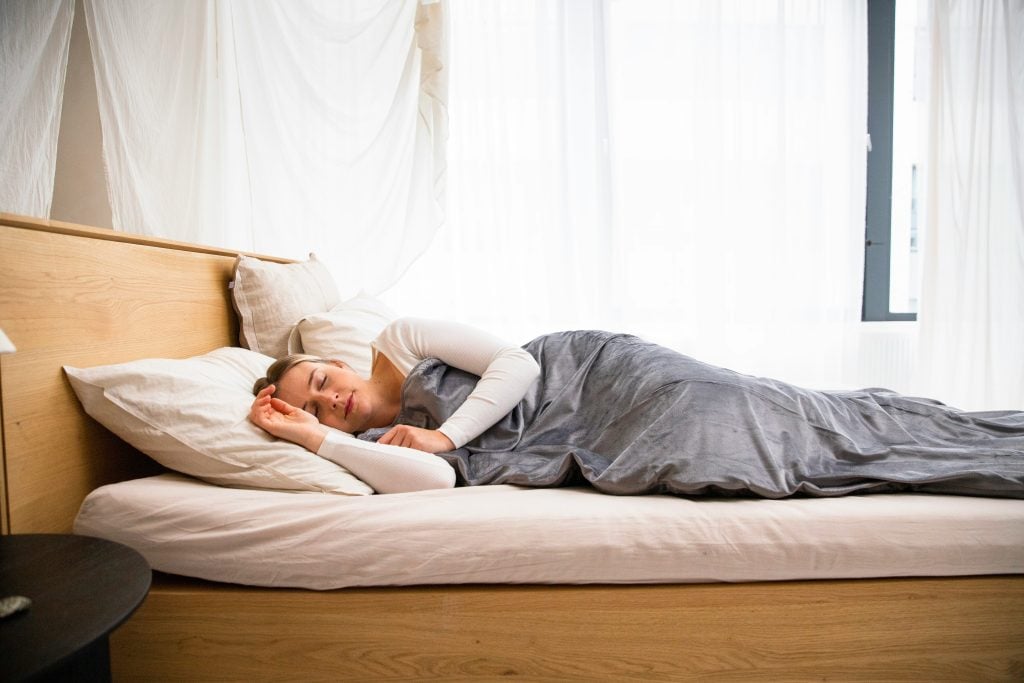
When the clocks move forward at 1:00am on 15 April 2026, we instantly lose an hour of sleep.
It might sound minor, but your body doesn’t see it that way. Even a one-hour shift can disrupt your rhythm, leaving you feeling tired, unfocused, or slightly off balance for several days.
That’s because your body isn’t just following the clock — it’s following its own internal system.
At Audreamy, we believe better sleep starts with understanding how your body actually works. Here’s what really happens when the clocks change, and how to stay one step ahead.
What is Circadian Rhythm
Your circadian rhythm is your body’s natural 24-hour cycle. It quietly controls when you feel awake, when you get sleepy, how your temperature changes, and even when your body carries out essential recovery processes.
This system is deeply connected to natural light. When your eyes detect daylight, your body adjusts accordingly — helping you stay alert during the day and wind down at night.
When the clocks move forward, your schedule changes instantly. But your body doesn’t adjust at the same speed.
The result? A temporary mismatch between your internal clock and your daily routine — often described as “social jet lag.”
Why One Hour Feels Worse Than It Should
You’ve probably stayed up later than one hour before without any major impact. So why does this feel different?
Because your body relies on consistency.
Over time, your sleep routine trains your body to release hormones at specific times. A sudden shift disrupts that balance.
In just one hour, several key processes are affected:
- Melatonin – your sleep hormone may not switch off at the right time
- Cortisol – your morning alertness signal can feel delayed
- Body temperature – which influences sleep depth and recovery
- Hunger hormones – which can make your appetite feel irregular
So it’s not simply “losing an hour.” It’s your entire system briefly falling out of sync.
Not Everyone Responds in the Same Way
The body doesn’t adjust to time changes in exactly the same way for everyone. Some people notice very little difference, while others may feel out of sync for a few days.
People who naturally stay up later often find the shift more challenging, as their body clock already runs behind typical daily schedules. Moving everything forward by an hour can feel like being pushed out of rhythm.
On the other hand, those who tend to wake up early usually adapt more smoothly, as their natural routine already aligns more closely with earlier hours. Most people sit somewhere in between, needing a short period to settle back into balance.
Younger children and older adults may also feel the change more clearly, as their sleep patterns tend to be less flexible and slower to adjust.
The Effects Can Reach Beyond Tiredness
When your sleep cycle is disrupted, the impact goes beyond simply feeling tired the next day. Your body may respond in a number of subtle but noticeable ways.
You might find yourself feeling more irritable or emotionally sensitive than usual, as your ability to regulate mood is slightly affected. Concentration can also become more difficult, making everyday tasks feel a little more effortful.
At the same time, your appetite may shift, with a tendency to crave quick energy sources such as carbohydrate-rich foods. Your body’s natural recovery processes can also slow slightly, leaving you feeling less refreshed even after a full night in bed.
These effects are typically short-lived, but they highlight how closely sleep is connected to overall physical and mental balance.
Your Sleep Setup Matters More Than You Think
The Role of Your Mattress & Environment
Adjusting quickly isn’t just about luck — it’s about how well your sleep environment supports you.
When your body is already trying to recalibrate, discomfort becomes a bigger issue.
If your mattress:
- feels too warm
- lacks proper support
- causes frequent movement
You’re more likely to interrupt deep sleep — exactly when your body needs it most.
A cool, quiet, and supportive sleep setup allows your body to recover faster and reset more efficiently.
That’s why at Audreamy, we focus on designing sleep systems that work with your body — not against it.
What many people don’t realise is that the difference often comes down to the details — the way a mattress supports your spine, how it regulates temperature throughout the night, and how well it reduces movement while you sleep. These small factors can have a surprisingly large impact on how quickly your body recovers when your rhythm is disrupted.
At Audreamy, we design our mattresses with these exact needs in mind, combining balanced support, breathable materials, and pressure-relieving comfort to help your body settle more naturally into deeper, uninterrupted sleep.
Why Your Mattress Plays a Bigger Role Than You Think
When your sleep schedule is disrupted, your body depends even more on the quality of your sleep environment to recover. While routines and habits matter, the surface you sleep on can quietly determine how well your body adapts to change.
A mattress that doesn’t provide the right balance of support and comfort can cause subtle interruptions throughout the night — whether that’s from pressure points, overheating, or unnecessary movement. These interruptions often go unnoticed, but they reduce the depth and quality of your sleep when your body needs it most.
On the other hand, a well-designed mattress helps your body stay properly aligned, regulate temperature more effectively, and minimise disturbances. This allows your sleep cycles to run more smoothly, supporting faster recovery when your internal rhythm is temporarily out of sync.
Sleep Is Not Passive — It’s a System
The clock change is a reminder that sleep isn’t something that just “happens.”
It’s a structured, biological process — and your environment plays a key role in how well it works.
Most people will naturally adjust within a few days.
But if you often wake up tired, struggle to stay asleep, or never feel fully rested, the issue may go deeper than the clock change.
That’s where the right sleep setup makes a real difference.
At Audreamy, we believe great sleep isn’t about chance — it’s about creating the right conditions for your body to perform at its best.
